Central Delhi Tourism
Search related to Delhi Tourism

Central Delhi, also known as the heart of India’s capital city, New Delhi, is a bustling and vibrant district that is steeped in history, culture, and modernity. It is a place where the old and the new coexist, where ancient monuments stand side by side with contemporary skyscrapers, and where the rich heritage of India’s past is preserved for future generations.
Geography and Demographics
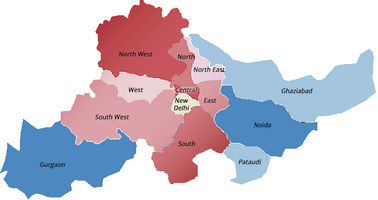
Central Delhi is located in the heart of the city and covers an area of about 25 square kilometers. It is surrounded by other important districts of Delhi, such as North Delhi, South Delhi, East Delhi, and West Delhi. The district is home to some of the most important landmarks and institutions of the city, including the Parliament House, the Rashtrapati Bhavan (the official residence of the President of India), the Supreme Court of India, and the Central Secretariat.
The district has a population of about 600,000 people, with a literacy rate of over 80%. The majority of the population is Hindu, followed by Muslims, Sikhs, and Christians. Hindi and English are the primary languages spoken in the district.
History
Central Delhi has a rich and fascinating history that dates back to the ancient times. The district was once a part of the powerful Mauryan Empire, which ruled over much of India in the 3rd century BCE. Later, it became a center of Islamic culture and learning under the Mughal Empire, which ruled over India for several centuries.
During the British colonial era, Central Delhi became the administrative and political center of India. The British built many important buildings and institutions in the district, such as the Parliament House, the Secretariat Building, and the Supreme Court. After India gained independence in 1947, Central Delhi continued to be the political hub of the country, with the Indian government establishing many of its important offices and institutions in the district.
Landmarks and Monuments
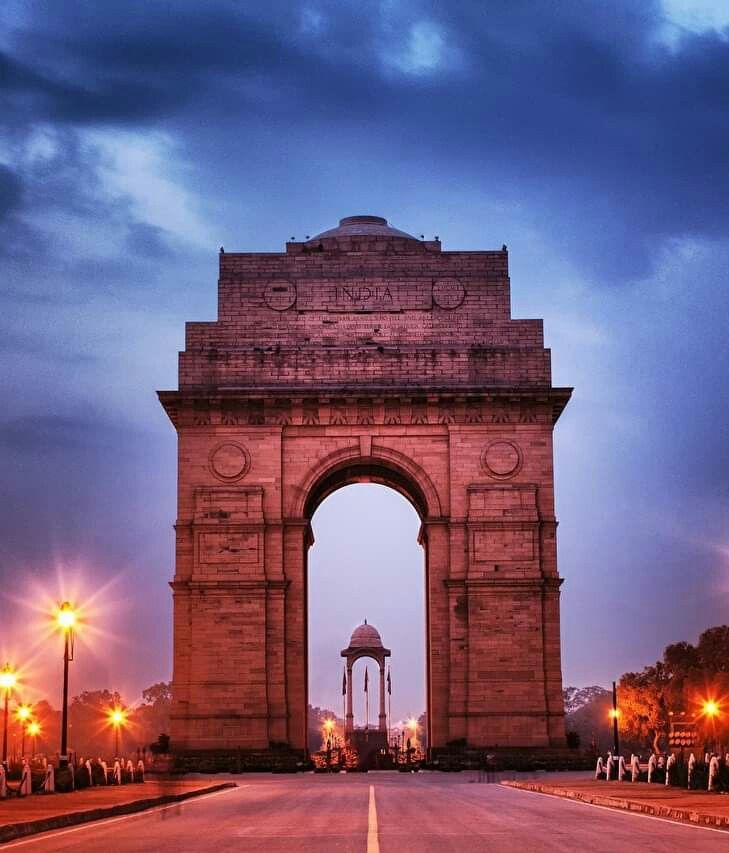
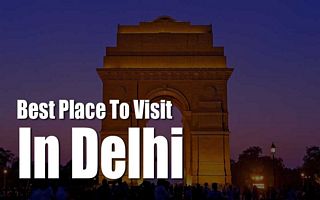
Central Delhi is home to some of the most iconic landmarks and monuments in India. One of the most famous landmarks in the district is the India Gate, a war memorial that was built in memory of the Indian soldiers who died in World War I. The India Gate is a popular tourist attraction and is visited by thousands of people every day.
Another important monument in the district is the Red Fort, a UNESCO World Heritage Site that was built by the Mughal Emperor Shah Jahan in the 17th century. The Red Fort is known for its magnificent architecture, intricate carvings, and stunning gardens.
The Qutub Minar, another UNESCO World Heritage Site, is also located in Central Delhi. The Qutub Minar is a towering 73-meter-high minaret that was built by the Muslim ruler Qutub-ud-din Aibak in the 12th century. It is one of the most iconic landmarks in Delhi and is visited by millions of tourists every year.
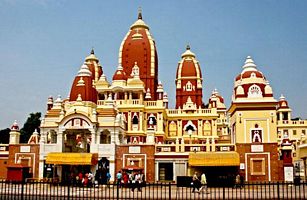
Other important monuments and landmarks in Central Delhi include the Jama Masjid, one of the largest mosques in India, the Jantar Mantar, an astronomical observatory built in the 18th century, and the Lotus Temple, a Bahá'í House of Worship known for its unique lotus-shaped architecture.
Culture and Festivals
Central Delhi is a melting pot of different cultures and traditions. The district is home to people from different parts of India and the world, who have brought with them their own unique customs and practices. The district is known for its vibrant street life, colorful markets, and delicious food.
One of the most popular festivals celebrated in Central Delhi is Diwali, the festival of lights. Diwali is celebrated with great enthusiasm and fervor in the district, with people lighting diyas (lamps), exchanging sweets, and setting off fireworks.
Attractions:
- Rashtrapati Bhavan: Rashtrapati Bhavan, formerly known as the Viceroy's House, is the official residence of the President of India. It was designed by Edwin Lutyens and Herbert Baker and was completed in 1929. The building has 340 rooms and covers an area of 200,000 square feet. Visitors can take a guided tour of the building and admire its beautiful gardens and architecture.
- India Gate: India Gate is a war memorial dedicated to the Indian soldiers who died in World War I. It is a 42-meter-high archway made of sandstone and granite and is located at the center of New Delhi. The archway has an eternal flame, which is a tribute to the Indian soldiers who lost their lives in the 1971 Indo-Pak war.
- Parliament House: Parliament House is the seat of the Indian Parliament and is located at the end of the Sansad Marg. It was designed by Edwin Lutyens and was completed in 1927. The building has a circular shape and is surrounded by beautiful gardens. Visitors can take a guided tour of the building and witness the workings of the Indian democracy.
- National Museum: The National Museum is located in Janpath and is one of the largest museums in India. It has a collection of over 200,000 artifacts, including sculptures, paintings, manuscripts, and coins, which showcase the rich cultural heritage of India.
- Jantar Mantar: Jantar Mantar is an astronomical observatory built by Maharaja Jai Singh II of Jaipur in the 18th century. It consists of 13 architectural astronomy instruments and is located near Connaught Place.
- Connaught Place: Connaught Place is a commercial and financial center of Delhi and is located at the heart of New Delhi. It was built in 1931 and is named after the Duke of Connaught. The place has several shops, restaurants, and theaters and is a popular destination for both locals and tourists.
- Gurudwara Bangla Sahib: Gurudwara Bangla Sahib is a Sikh temple located in Connaught Place. It was built in the 18th century and is a significant pilgrimage site for the Sikh community. The temple has a beautiful pool of holy water and serves free food to anyone who visits.
- Red Fort: Red Fort is a UNESCO World Heritage Site and was built by the Mughal emperor Shah Jahan in the 17th century. It served as the residence of the Mughal emperors for 200 years. Today, it is a popular tourist attraction and a symbol of India's rich history.
- Jama Masjid: Jama Masjid is one of the largest mosques in India and was built by the Mughal emperor Shah Jahan.
- State :
- Delhi
How to Reach Central Delhi
Complete List of Tehsils in Central Delhi District, Delhi
| S.No | Tehsil / Taluk Name | District Name | State Name |
|---|---|---|---|
| 1 | Delhi | Central Delhi | Delhi |
| 2 | New Delhi | Central Delhi | Delhi |
Top 5 Romantic Honeymoon Destinations In India To Visit In 2024 For Couples And Newlyweds
Looking to end the year with a dreamy escape? Check out India's top 5 honeymoon destinations for 2024. Whether you're a newlywed couple or celebrating years of love, these places
Top 5 Best Places To Visit In India During December For A Winter Holiday Full Of Fun And Festivities
India in December offers a delightful blend of winter charm and festive celebrations. If you love snow, head to Shimla, the Queen of Hills, where you can enjoy cold winds,

Here are the best places to visit in Sambalpur that every traveler must explore for nature, history, wildlife, and spiritual experiences
Sambalpur, located in Odisha, is a travel gem known for its blend of natural beauty, cultural heritage, and spiritual significance. Popular spots like Hirakud Dam, Samaleswari Temple, and Debrigarh Wildlife

Here are the top places to visit in Madurai for culture, architecture, spirituality, and fun – ideal for your next travel experience in South India
Madurai, a vibrant city in Tamil Nadu, is one of India's oldest continuously inhabited cities. Known for its rich heritage, divine temples, and cultural significance, it's a destination that blends

Top 10 Best Places to Visit in Digha for a Memorable Beach Holiday With Nature, Temples, and Science Fun
Digha is a perfect coastal destination with beautiful beaches like Digha Beach, New Digha, Talsari and Shankarpur, along with attractions like Marine Aquarium, Amarabati Park, and Chandaneswar Temple. Ideal for

Top 10 Best Places To Visit In Panipat For History, Shopping And Local Sightseeing Experience
Panipat is a popular historical city in Haryana, known for its rich past and vibrant present. Tourists can start their journey with a visit to the famous Panipat Museum, which

Top 10 Best Tourist Places To Visit In Indore For Culture, Food, Nature And Heritage Experience
Indore is a vibrant city in Madhya Pradesh that offers a wonderful mix of culture, food, and history. Start your journey at Rajwada Palace, where the charm of royal architecture

A complete travel guide to spend one beautiful day in Lucknow with your partner
If you have just one day to explore Lucknow with your partner, this travel plan is perfect for creating unforgettable memories. Start your day with a visit to Bara Imambara,

A beginner friendly guide for planning your first solo trip with essential tips for a safe journey
Taking your first solo trip can feel exciting but also a little scary. This beginner-friendly guide will help you feel more prepared and confident before you travel alone. You’ll learn
Discover the Spiritual Wonders: Temples in Patna
Patna, the capital city of Bihar, is a treasure trove of spiritual and cultural heritage, boasting numerous temples that reflect its historical and religious significance. This article delves into the