West Garo Hills Tourism



Search related to Meghalaya Tourism

West Garo Hills is a district in the state of Meghalaya, located in the western part of the state. The district covers an area of 3714 square kilometers and is home to a diverse range of ethnic communities.
History
West Garo Hills has a rich and diverse history, dating back to ancient times. The region was once ruled by various indigenous tribes, including the Garo, Hajong, Koch, and Rabha. The Garo people, in particular, have a significant presence in the district, and their cultural heritage is deeply rooted in the region.
During the colonial period, the British established their presence in the area, and the region was part of the British Raj until India gained independence in 1947. After independence, the district became part of the state of Assam, and in 1972, it became part of the newly created state of Meghalaya.
Geography
West Garo Hills is a mountainous district, located in the western part of Meghalaya. The district is bounded by Bangladesh to the south and west, and by the districts of East Garo Hills, South Garo Hills, and West Khasi Hills to the east and north.
The district is characterized by rolling hills, dense forests, and fertile valleys. The Brahmaputra and its tributaries flow through the region, providing water for agriculture and irrigation. The district is also home to several wildlife sanctuaries and national parks, including Balpakram National Park, Siju Wildlife Sanctuary, and Nokrek National Park.
Demographics
West Garo Hills has a population of approximately 6,25,000 people, according to the 2011 census. The district is home to a diverse range of ethnic communities, including the Garo, Hajong, Koch, and Rabha. The Garo people are the largest ethnic group in the district, and they account for around 80% of the population.
The people of West Garo Hills are known for their rich cultural heritage, which is deeply rooted in their traditions and customs. The district is also known for its vibrant festivals, including Wangala, which is a harvest festival celebrated by the Garo people.
Economy
The economy of West Garo Hills is primarily agricultural, with most of the population engaged in farming and livestock rearing. The district is known for its production of rice, maize, and other crops, as well as for its dairy and poultry farming.
In recent years, the district has also seen the growth of industries such as tourism, handicrafts, and small-scale manufacturing. The district is home to several cottage industries, including handloom weaving, basket making, and bamboo handicrafts.
Culture
The culture of West Garo Hills is deeply rooted in the traditions and customs of its people. The Garo people, in particular, have a rich cultural heritage, which is reflected in their music, dance, and festivals.
The district is home to several traditional musical instruments, including the gong, drum, and flute. The Garo people are also known for their colorful dance forms, including the Wangala dance, which is performed during the harvest festival.
Tourism
West Garo Hills is a popular tourist destination, known for its natural beauty, wildlife, and cultural heritage. The district is home to several wildlife sanctuaries and national parks, including Balpakram National Park, Siju Wildlife Sanctuary, and Nokrek National Park.
The district is also known for its waterfalls, including the Pelga Falls, which is a popular tourist destination. Other popular tourist attractions in the district include the Tura Peak.
- State :
- Meghalaya
How to Reach West Garo Hills
Complete List of Tehsils in West Garo Hills District, Meghalaya
| S.No | Tehsil / Taluk Name | District Name | State Name |
|---|---|---|---|
| 1 | Ampati | West Garo Hills | Meghalaya |
| 2 | Araimile | West Garo Hills | Meghalaya |
| 3 | Barengapara | West Garo Hills | Meghalaya |
| 4 | Dobasipara | West Garo Hills | Meghalaya |
| 5 | Fulbari | West Garo Hills | Meghalaya |
| 6 | Garobadha | West Garo Hills | Meghalaya |
| 7 | Grobadha | West Garo Hills | Meghalaya |
| 8 | Lower Chandmari | West Garo Hills | Meghalaya |
| 9 | Mahendraganj | West Garo Hills | Meghalaya |
| 10 | Mahendraganjj | West Garo Hills | Meghalaya |
| 11 | Mendipathar | West Garo Hills | Meghalaya |
| 12 | Nangwalbibra | West Garo Hills | Meghalaya |
| 13 | Resubelpara | West Garo Hills | Meghalaya |
| 14 | Tikrikilla | West Garo Hills | Meghalaya |
| 15 | Tura | West Garo Hills | Meghalaya |
Top 5 Romantic Honeymoon Destinations In India To Visit In 2024 For Couples And Newlyweds
Looking to end the year with a dreamy escape? Check out India's top 5 honeymoon destinations for 2024. Whether you're a newlywed couple or celebrating years of love, these places
Top 5 Best Places To Visit In India During December For A Winter Holiday Full Of Fun And Festivities
India in December offers a delightful blend of winter charm and festive celebrations. If you love snow, head to Shimla, the Queen of Hills, where you can enjoy cold winds,

Here are the best places to visit in Sambalpur that every traveler must explore for nature, history, wildlife, and spiritual experiences
Sambalpur, located in Odisha, is a travel gem known for its blend of natural beauty, cultural heritage, and spiritual significance. Popular spots like Hirakud Dam, Samaleswari Temple, and Debrigarh Wildlife

Here are the top places to visit in Madurai for culture, architecture, spirituality, and fun – ideal for your next travel experience in South India
Madurai, a vibrant city in Tamil Nadu, is one of India's oldest continuously inhabited cities. Known for its rich heritage, divine temples, and cultural significance, it's a destination that blends

Top 10 Best Places to Visit in Digha for a Memorable Beach Holiday With Nature, Temples, and Science Fun
Digha is a perfect coastal destination with beautiful beaches like Digha Beach, New Digha, Talsari and Shankarpur, along with attractions like Marine Aquarium, Amarabati Park, and Chandaneswar Temple. Ideal for

Top 10 Best Places To Visit In Panipat For History, Shopping And Local Sightseeing Experience
Panipat is a popular historical city in Haryana, known for its rich past and vibrant present. Tourists can start their journey with a visit to the famous Panipat Museum, which

Top 10 Best Tourist Places To Visit In Indore For Culture, Food, Nature And Heritage Experience
Indore is a vibrant city in Madhya Pradesh that offers a wonderful mix of culture, food, and history. Start your journey at Rajwada Palace, where the charm of royal architecture

A complete travel guide to spend one beautiful day in Lucknow with your partner
If you have just one day to explore Lucknow with your partner, this travel plan is perfect for creating unforgettable memories. Start your day with a visit to Bara Imambara,

A beginner friendly guide for planning your first solo trip with essential tips for a safe journey
Taking your first solo trip can feel exciting but also a little scary. This beginner-friendly guide will help you feel more prepared and confident before you travel alone. You’ll learn
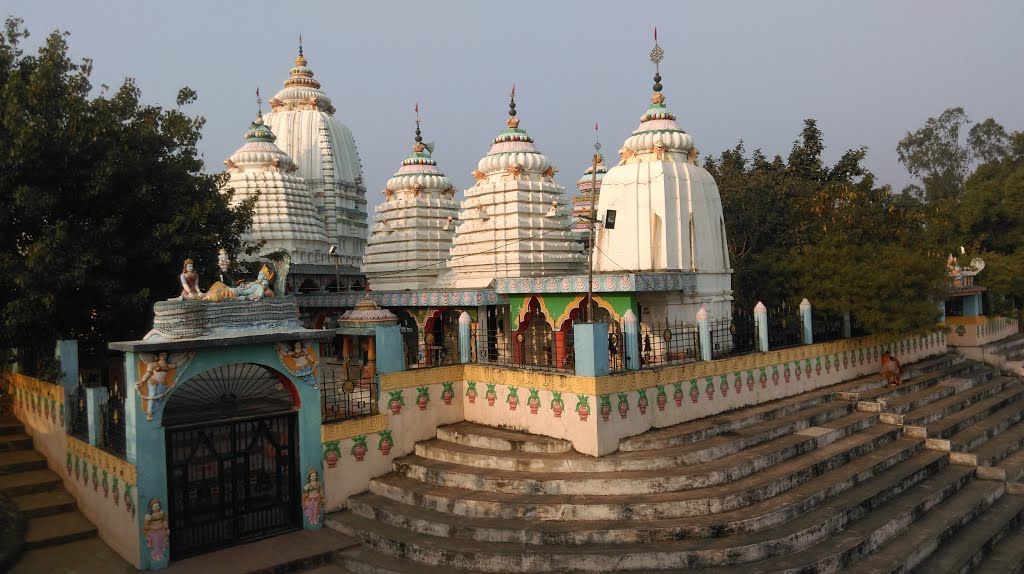
Discover the Spiritual Wonders: Temples in Patna
Patna, the capital city of Bihar, is a treasure trove of spiritual and cultural heritage, boasting numerous temples that reflect its historical and religious significance. This article delves into the